News · Saunas & Tubs ·
Which sauna stove suits you, wood or electric?
You've just finished a long working day. One full of drama and deadlines. No wonder you're craving a moment of peace and relaxation. At Tinyrebel, relaxation is synonymous with sauna. But then you face a choice: wood or electric. Both have pros and cons. Which sauna stove suits you best? Read on and find out for yourself.
Advantages of a wood-burning stove
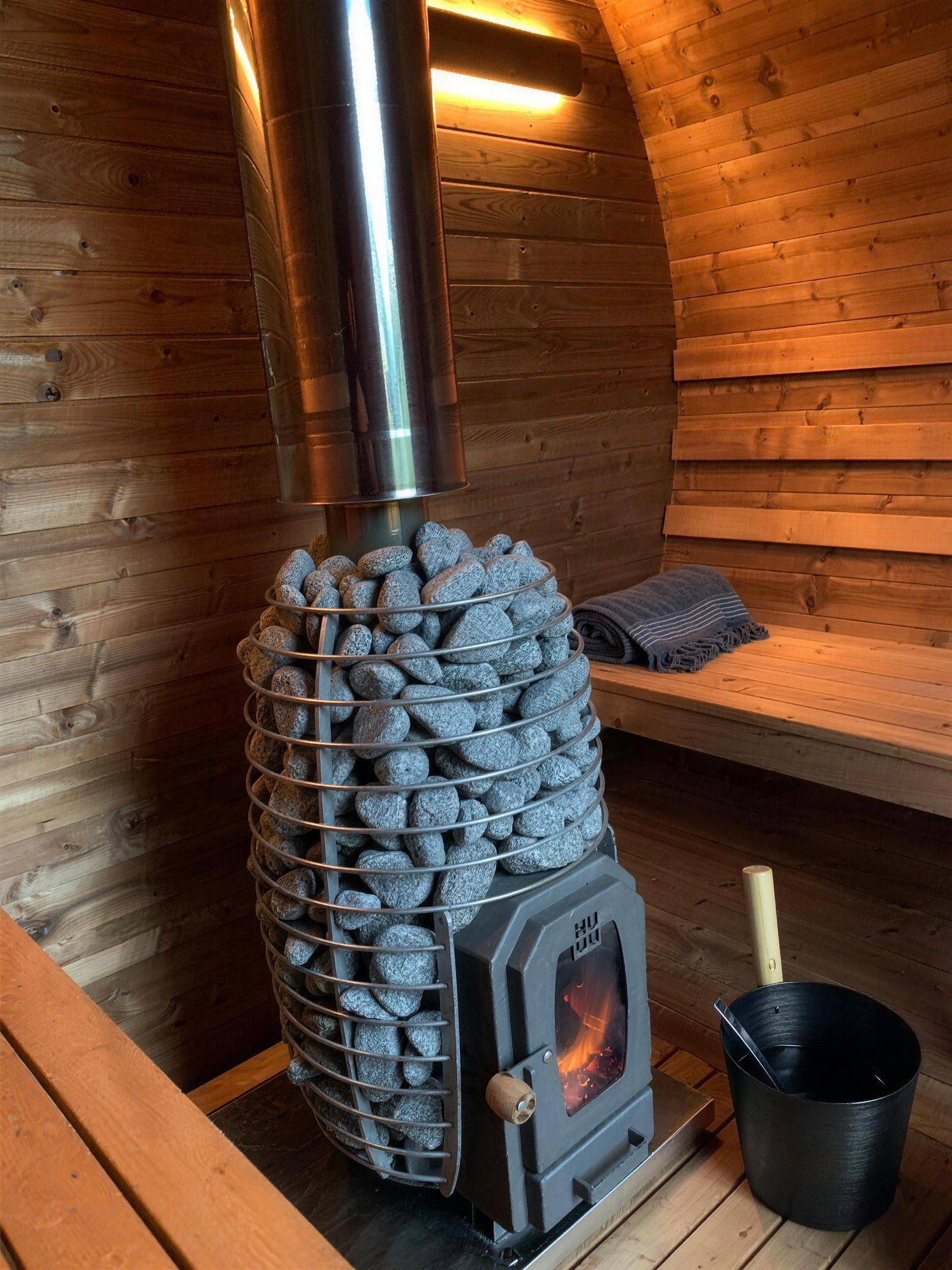
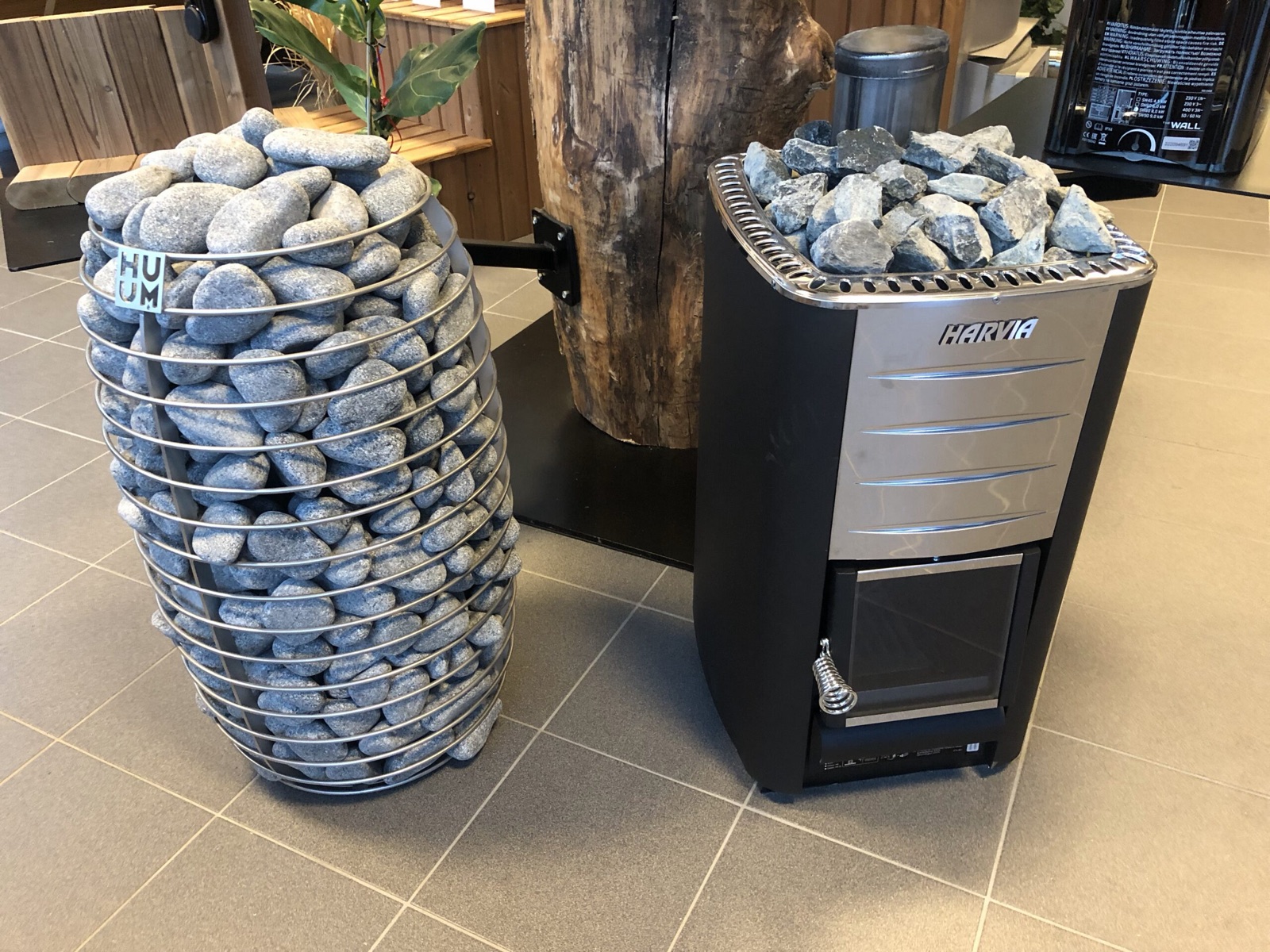
Choose a wood-burning stove and you get fiery charm thrown in. The crackling fire and beautiful dancing flames create a romantic atmosphere. And of course, nothing beats the real thing. A wood-burning stove gives you an authentic sauna experience. And let's be honest. Building a fire yourself is a lovely thing to do in its own right, isn't it? Now that's a survival skill that's good for your confidence too!
Besides these lovely perks, a wood-burning stove has practical advantages as well. You know in advance what it costs to burn wood, and there's no hassle laying power cables. So you decide where your sauna goes in the garden, because you're literally not tied to anything.
5 disadvantages of a wood-burning stove
Every advantage has its disadvantage. So what are the downsides of a wood-burning stove? Here they are:
- You need dry wood and a covered spot to stack it
- Your neighbours may be bothered by the smoke (unless you live somewhere secluded)
- Heating up takes longer, but that's no problem if you enjoy stoking a fire
- You need to clean the ash pan regularly
- Controlling the sauna temperature is a bit trickier
Advantages of an electric sauna heater
Are you the practical type who loves convenience? Then an electric heater is for you. With a wifi-controlled sauna, you can even heat it up remotely. All from the comfort of your armchair. Doesn't that sound like pure relaxation? On top of that, an electric sauna heater is clean and easy to control. Electric heaters keep a constant temperature in your sauna. They also save space, for example by mounting them on the wall, and they're flexible in voltage. For smaller saunas, for instance, there are electric heaters available on 230 volt.
4 disadvantages of an electric sauna heater
Just like wood-burning stoves, electric sauna heaters have their downsides. Here they are:
- They must be connected professionally by a qualified electrician
- You need to lay (three-phase) power cables, which may require an adjustment to your fuse box
- You don't know the running costs in advance, because they're only charged later
- Electric heaters are generally more expensive to run
Now you know the pros and cons of both types of sauna stove. Which do you prefer? Fiery romance or practical convenience? Or maybe you'd like a bit more information first. Why not drop by and see the saunas and sauna stoves in Zeeland? Our showroom in Middelburg is open on Fridays and Saturdays.