News · Tiny houses ·
Buying a holiday home is no longer taboo
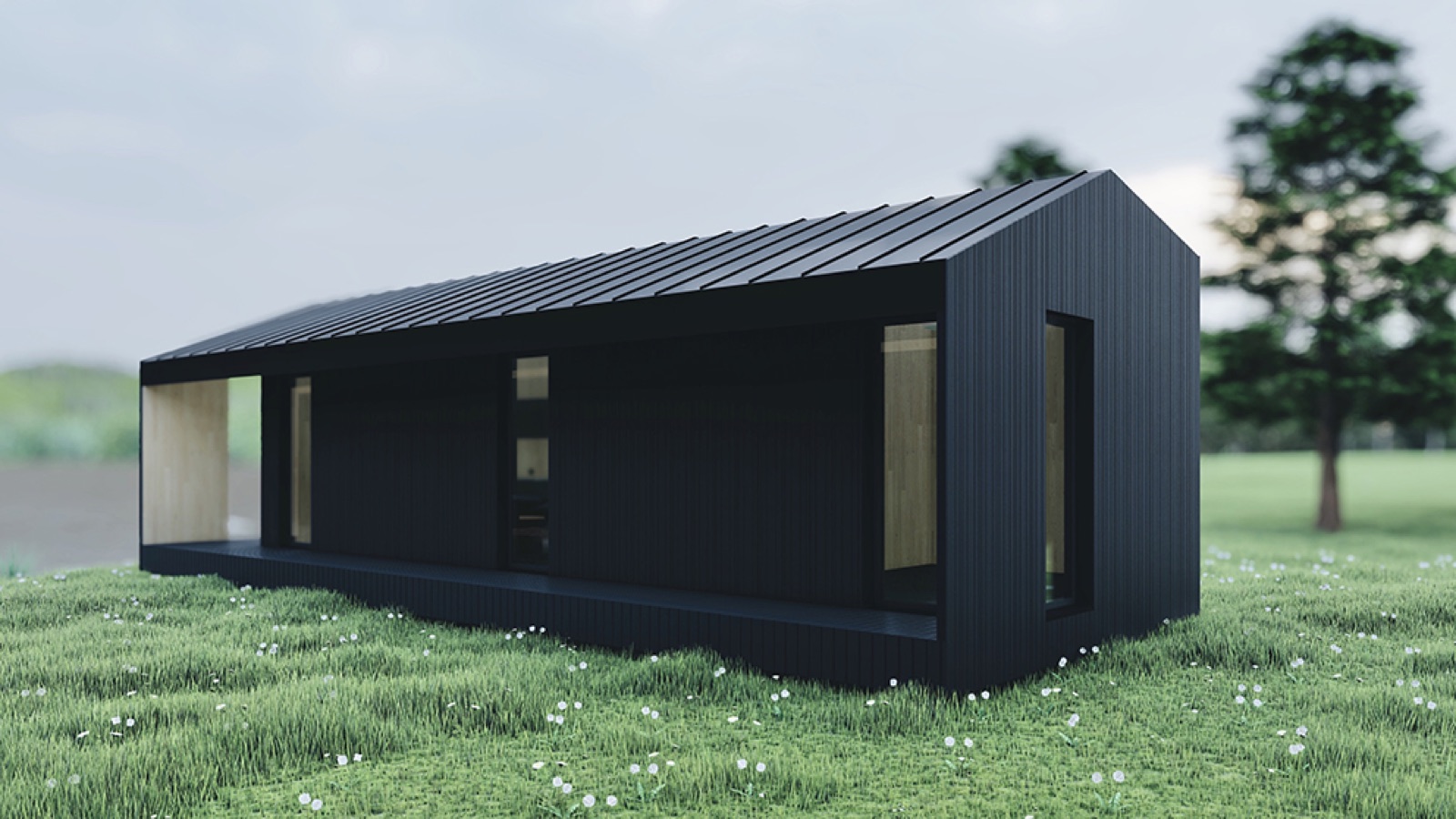
A holiday home on the Dutch or Spanish coast, or a second home in the Dordogne: it's long stopped being just for retirees, and it's certainly no longer taboo.
Quite the opposite. The holiday home market is booming, says Tom van den Brink of the Second Home Beurs, which takes place this weekend.
“Looking at developments around the fair, the market has really picked up speed since spring 2016. That's down to low interest rates, but also to falling unemployment and economic growth. It makes people think: now's the time to invest”, says Van den Brink.
“We now also see small business owners juggling their pension pot, or young families who want to put their savings to work. It's definitely not just the over-65s anymore.”
Three quarters now see a second home as an investment. Five years ago, people mainly bought an extra place for their own use, according to figures from the fair's organiser.
According to the NVM, 3,750 holiday homes changed hands in 2016, 20 per cent more than the year before. On top of that, twelve hundred newly built holiday homes were added. With more than fifteen hundred holiday parks, the Netherlands has “one of the highest densities of holiday parks in the world”. 95 per cent of Dutch holiday homes are located in such a park.
Popular countries
Spain is the most popular country for a holiday home, followed by the Netherlands, Austria, France and Italy. “Within the Netherlands, the coastline, the Veluwe, Limburg and the Wadden Islands are especially in demand”, says Van den Brink.
Most people buy a place so they can use it regularly themselves. But renting it out can bring in a nice sum. “A net return of between 4 and 5 per cent is realistic”, says Van den Brink. “But of course it depends on how often you rent it out and which region it's in.”
Ronald Roose of Makelaardij Roose in Zoutelande, Zeeland, sees people looking for a second home walk into his office every day. “It's mostly people around fifty who are looking. In the higher price ranges they mainly want a holiday home for their own use. Below that, people often plan to rent their home out as well.”
According to Roose, more and more Belgians are finding their way to the Zeeland coast. His clientele used to be mainly Dutch and German. “Belgians often find it more unspoilt and beautiful here. Their own coast has become a bit run-down in places, so they cross the Westerschelde.”
Asking prices for holiday homes in the region where Roose works range from around 120,000 euros “for a cottage in a park built in the fifties” to half a million. Those are larger, detached homes.
The average transaction price of a holiday home in 2016 was well above 140,000 euros, according to the NVM. That's 4 per cent more than the year before, but still less than the roughly 170,000 euros people had to pay on average for such a place in the peak year 2008.
Holds its value
A holiday home earns more than money in the bank, says Roose. “A home like that also holds its value, and bricks and mortar are something tangible.” A price increase of around 7 per cent a year over the last twenty years is quite realistic, the Zeeland estate agent believes.
The holiday home market is tight too, Roose notes. “Good property goes fast. Several buyers turn up at once, and there's often overbidding.”
Nationally, there's no such shortage, says Tom van den Brink of the Second Home Beurs. “Lots of old campsites are being bought up and redeveloped, with chalets built on them. There's enough demand, but also enough development. In Zeeland, though, the market is a bit maxed out. A lot of nature areas there have been turned into holiday parks, and not much more can be built.”
On the Wadden Islands, too, it's a fight to get a holiday home: according to the NVM, hardly any are for sale because of a lack of new builds. This has pushed the average transaction price on the islands to almost 300,000 euros.
Equity
A second home isn't for everyone. You often need a hefty amount of your own money, because banks aren't keen on financing holiday homes. You also can't deduct the mortgage interest. “What you do sometimes see is people increasing the mortgage on the home they already own to finance a second one”, says estate agent Roose.
To avoid unexpected costs, he advises potential buyers to read the small print carefully. “On some parks you're required to rent out your home through a specific organisation. You may also have to deal with owners' associations (VvEs), or VAT on a new build.”
“You should assume you can get about 70 per cent financed”, says Tom van den Brink. “So you do need your own capital. And remember that money tied up in bricks and mortar isn't easy to get out if it turns out you need it after all.”
“Also look closely at the other costs involved, like insurance, taxes, park fees and maintenance”, advises Van den Brink.